Category: Quantum Wavespace Theory
-
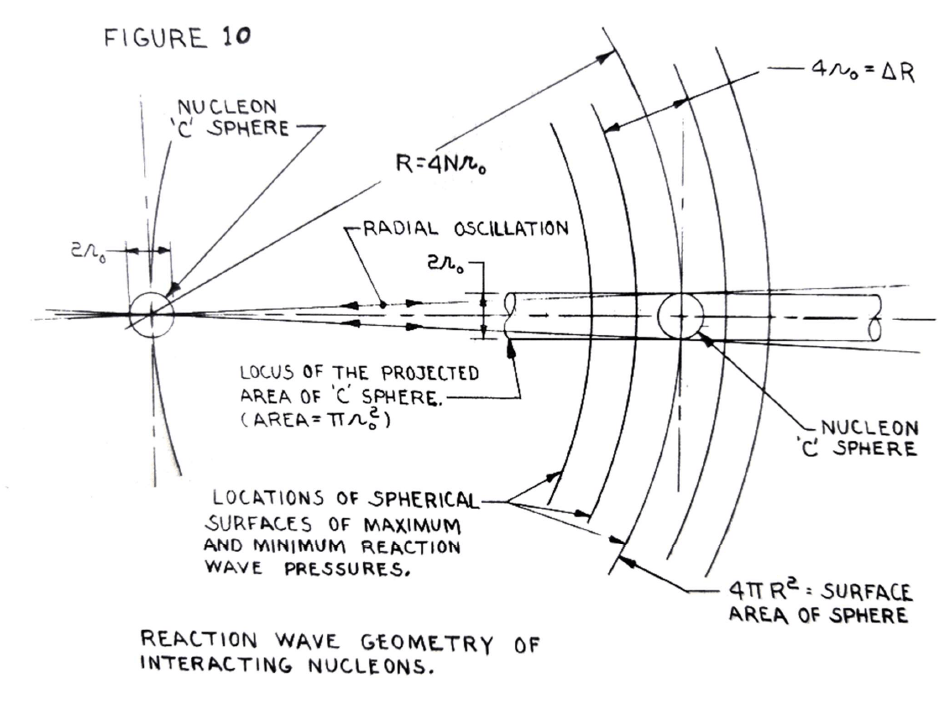
Quantum Wavespace Theory – Original Figures
Original Figures by H. W. Schmitz Included in the original publication The Physical and Philosophical Nature of the Universe are Extensive Figures hand drawn by Harry Walter Schmitz, illustrating many of the concepts, including additional equations and relationships. We included…
-

Quantum Wavespace Theory – Potential Applications to Fusion Research
Fusion Reactions and Nucleon Wave Geometry This exploratory analysis applies Quantum Wavespace Theory (QWST) to investigate the conditions governing nuclear fusion, evaluating whether QWST’s unique wave-resonance framework can offer novel insights into resonance and stability criteria critical to fusion processes.…
-

Part IX – The Gravitational Constant
Quantum Wavespace and the Emergence of Gravity In Part IX of Quantum Wavespace Theory (QWST), we examine another compelling validation of Harry Walter Schmitz’s hypothesis, originally published in The Physical and Philosophical Nature of the Universe (1982). In this section,…
-
Part VIII – The Coulomb Barrier and Bohr Radius
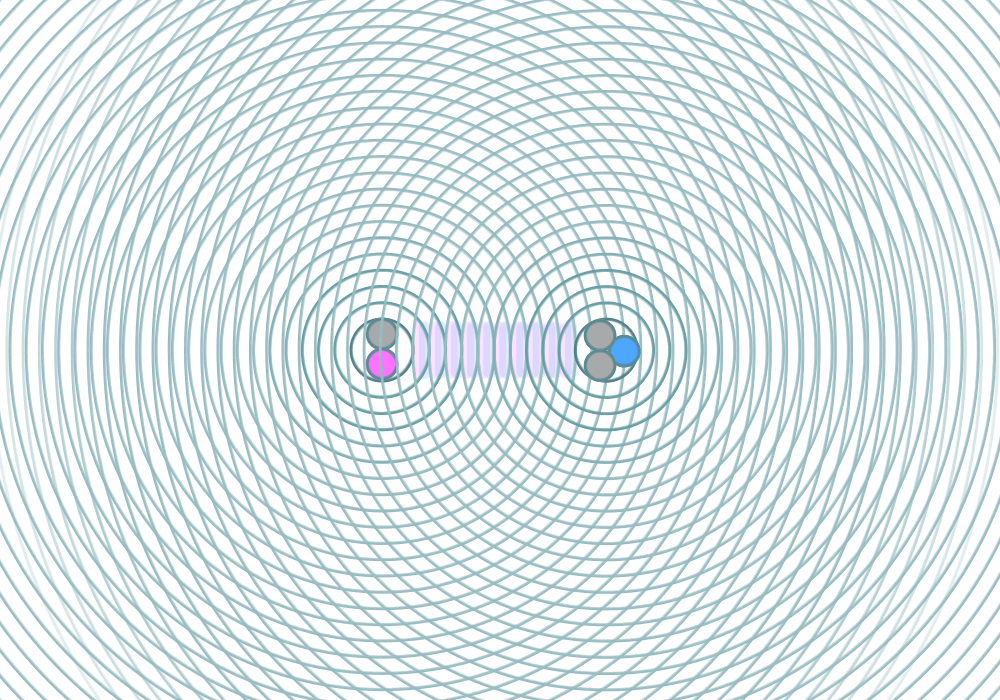
Analyzing the Derivations These equations show significant relationships between the Coulomb barrier, the Bohr radius, the number of wave shells , and the nucleon stabilization ratio. Additionally, with a method for calculating the pressure at specific reaction shells, we gain…
-
Part VII – Rydberg Constant
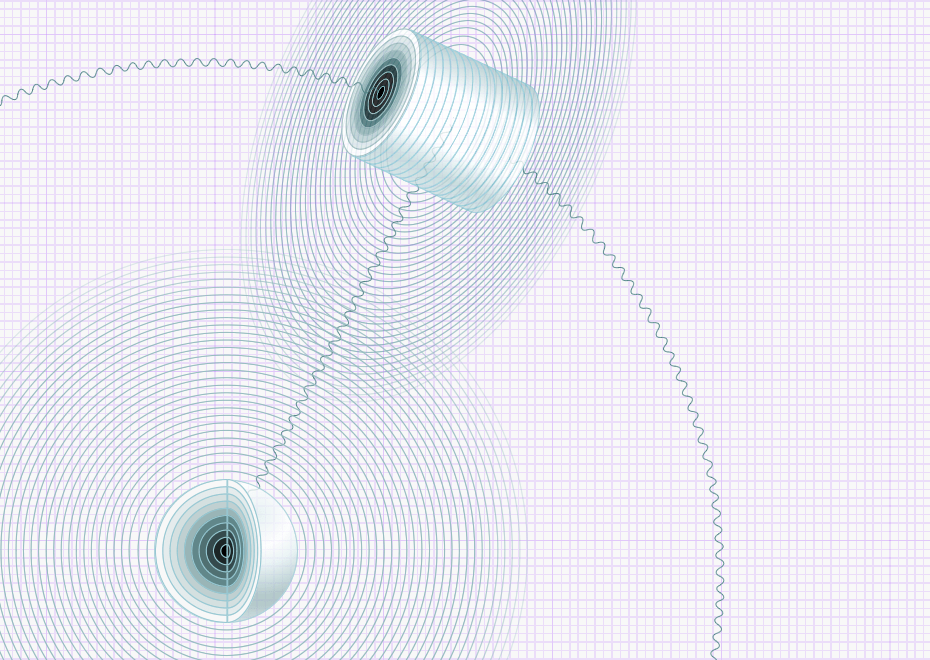
Analyzing the Derivations In standard physics the Rydberg Constant characterizes the spacing of atomic energy levels (particularly hydrogen spectra). Under QWST, it appears naturally as a consequence of the fundamental ratio (nucleon stabilization ratio) and the characteristic length . This…
-
Part VI – Electron Charge and the Fine Structure Constant
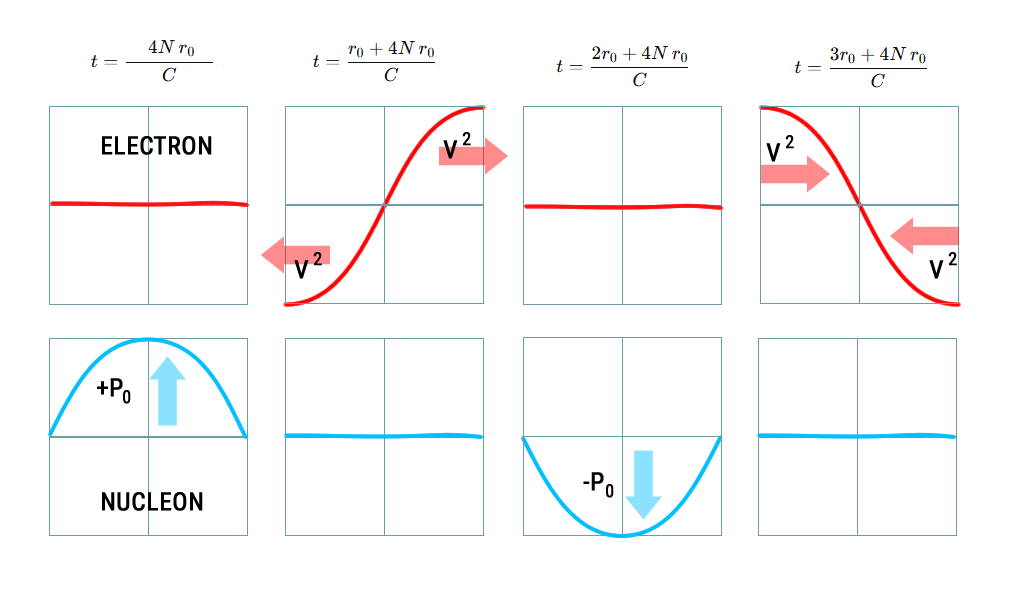
Analyzing the Derivations These relationships show that the electron’s charge and the fine‐structure constant may be traced back to wave interactions between the nucleon “C‐sphere” and the electron’s “C‐ring,” with corrections reflecting wave interference and energy redistribution. Again, charge appears…
-
Part V – Planck’s Constant
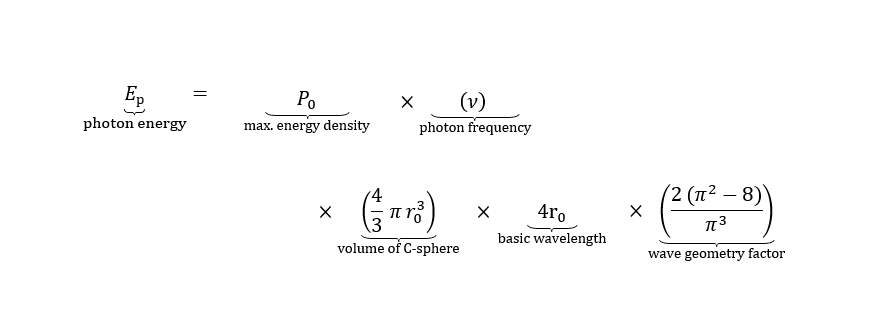
Revealing Fundamental Relationships to Quantum Wavespace Planck’s constant is fundamental in quantum physics- it bridges the gap between particle-like and wave-like behaviors in quantum physics, defining energy quantization through the relationship of the energy of photons to their frequency. Quantum…
-
Part IV – Critical Review: Are QWST Derivations Credible?
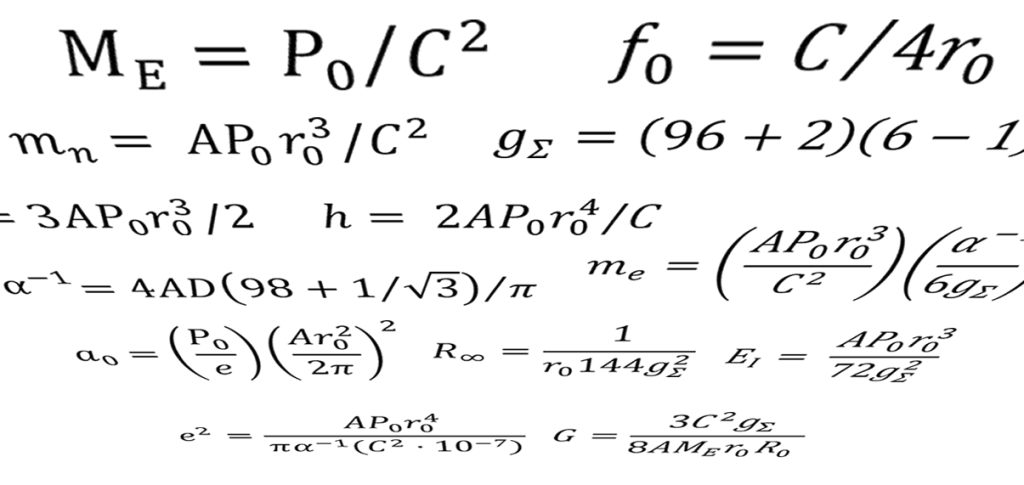
Analyzing the Derivations In any theoretical framework, a critical concern is whether the system relies on arbitrarily tunedparameters or operates within a tightly constrained framework based on consistent conceptualprinciples. Many physical models employ loosely tuned parameters—essentially adjustableknobs—that offer flexibility but…
-
TISE and QWST: Probability Clouds compared to Toroidal Wave Structures
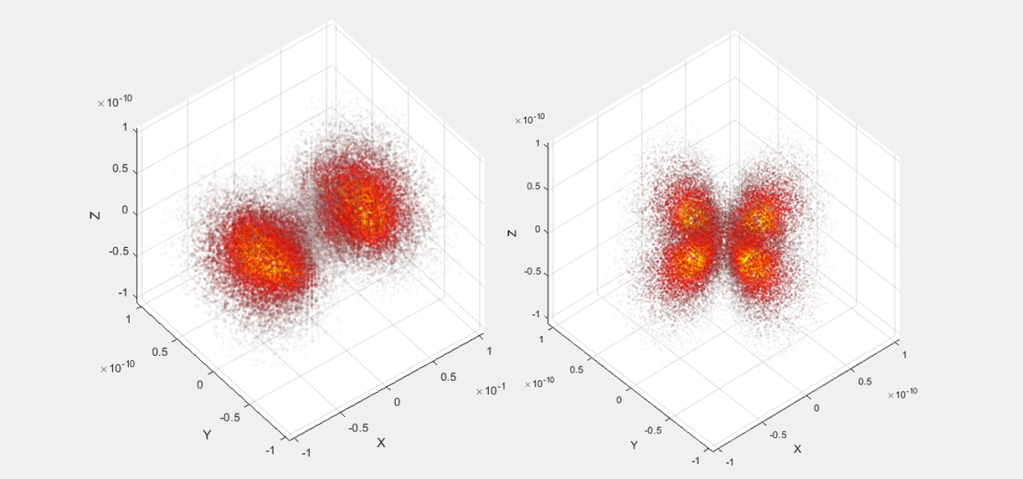
Quantum mechanics relies heavily on abstract mathematics—particularly the Time-Independent Schrödinger Equation (TISE)—to visualize electrons as probability clouds around atomic nuclei. But what if these clouds were more than mathematical abstractions? Could electron orbitals be explicit, stable wave structures formed by…
-

Part III – Mass, Inertia, and Force as Emergent Properties
Is Mass an Illusion? In Part III of Quantum Wavespace Theory (QWST), we reexamine fundamental physics concepts from an entirely new perspective. Rather than being intrinsic properties of solid particles, mass, inertia, and force emerge naturally from stable wave interactions.…
 Quantum Wavespace Theory